Gala

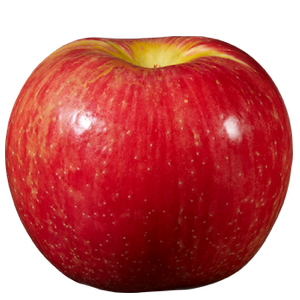
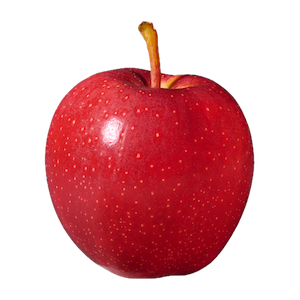
Gala is the top-selling apple in the Americas and the most-grown variety in the U.S. Mildly sweet, crisp, and aromatic, it is a reliable year-round utility apple for snacking on the go, slicing into salads, or baking into crisps and pies.
Gala Single

Sweetness Meter

How sweet is it?

Flavor Meter
7
TartBalancedSweet

Best uses

How to enjoy it?

Baking
Salads
Snacking

The Story

What makes it special

A real utility player, the Gala is great on-the-go, sliced or even used for baking. It’s the variety most grown in the U.S. and the number one selling apple in the Americas, as the variety is as popular here as it is in the Central American markets.

Gala has multiple strains, but the best known are the striped skin varieties, albeit subtle. The apples have a thin skin, making them great for eating out of hand, yet sturdy enough to take it on the go to eat healthy no matter where you go.

The flavor of a Gala satisfies most palettes: mildly sweet, crisp, juicy, with a consistent taste year to year. A Gala is a reliable choice as it eats well out of hand, yet can be sliced for crisps and pies.
Key Facts

Specs at a glance

TasteSweet, snappy, aromatic
TextureCrisp, firm
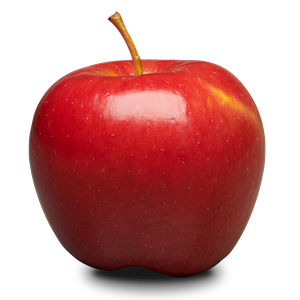
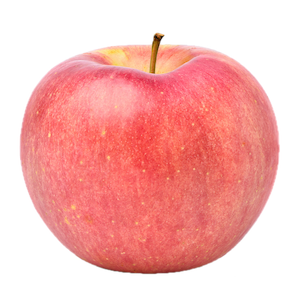
AppearanceSolidly red. Some strains are stripy while others have more dotted skin
PeakAug 25

Available in pack sizes

  • 3# Poly
  • Totes
  • 2# Pouch
  • 3# Pouch
  • 4# Pouch
  • 5# Pouch
  • Trays / Bulk
PLU Code#4134 (large) / #4132 (small)
GPC Code—
Peak HarvestAug 25
Window±1 week
Storage Temp34-36° F
AvailabilityYear round

Pack Sizes & UPC Codes

Pack Apple Size Grade UPC
3lb US Extra Fancy 7 36264 00001 1
5lb US Extra Fancy 7 36264 00025 7

Download Spec SheetView packaging options →

Frequently Asked

Good to know

I usually eat Stripy Gala, but I've seen full red ones in the stores. Are they the same?

Yes, the varieties are the same; the strains are different.

A strain is a variation of a known variety that slightly alters its characteristics. These could be a slightly different look (striped or solid color), an earlier harvest time or even one that handles dryer conditions better.

Once a desirable strain has been produced, a grower cuts the budwood where that apple grew and grafts a new tree. This takes a lot of patience and much trial and error as it's part science and part Mother Nature's cooperation.

Ask a fruit expert

Got a question about apples?

Our team of growers, packers, and produce pros will answer it.